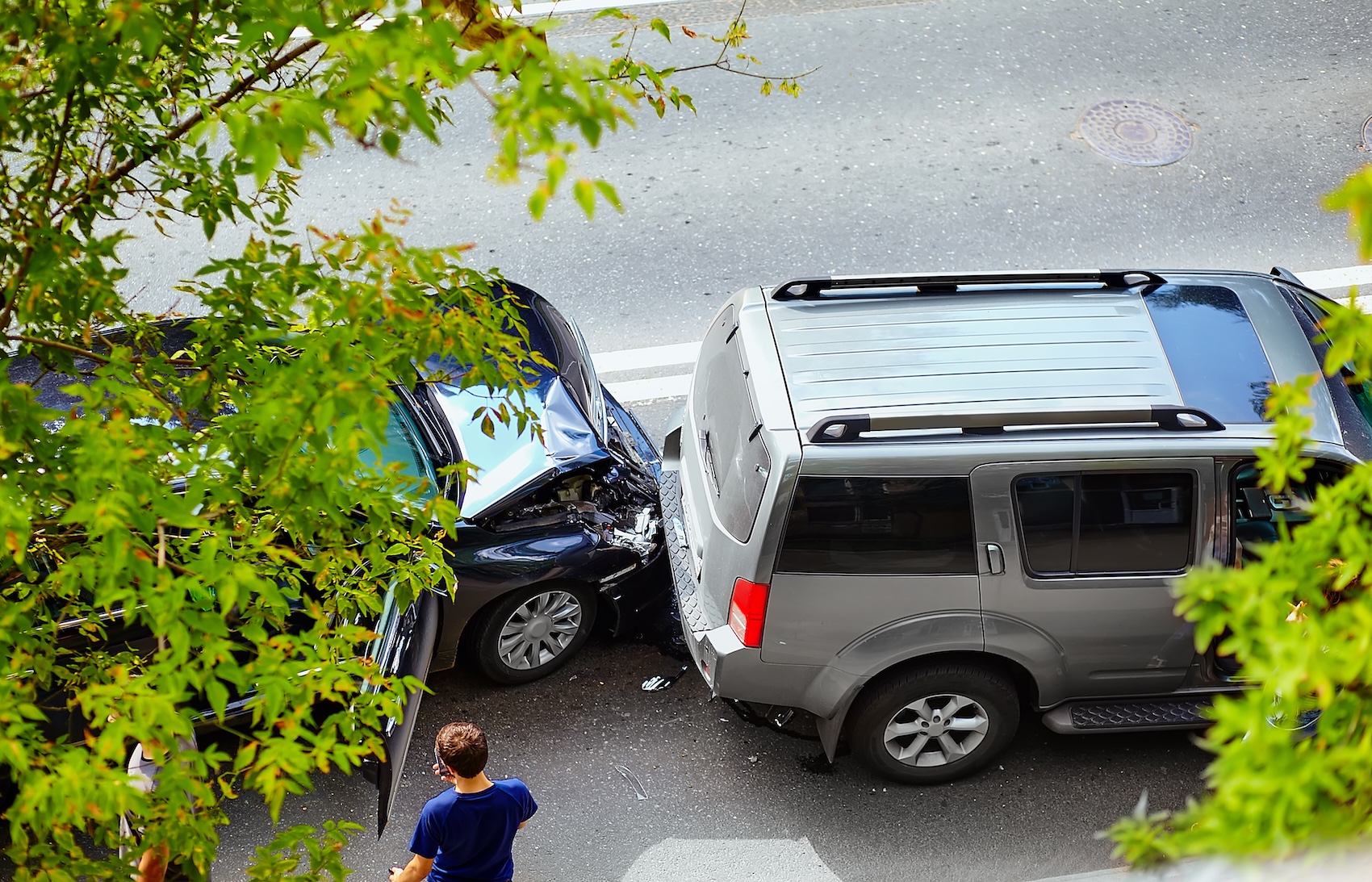


Reckless driving is an issue that plagues South Carolina roads. It goes beyond careless driving to a complete disregard for the safety of others. While it is a criminal offense, when a reckless driver causes a car accident, it can leave victims with painful injuries, expensive medical bills, mental impacts, and an array of other financial losses.
Armada Law is a personal injury law firm committed to representing victims who have been injured by reckless drivers. In this blog post, we explain reckless driving, what constitutes reckless driving beyond speed, and how a SC reckless driving attorney can help you recover compensation for the damages you’ve suffered as a result of an accident in these circumstances.
What Constitutes Reckless Driving in South Carolina?
The South Carolina Code 56-5-2920 defines it as any driver who operates a vehicle with a willful or wanton disregard for the safety of people or property. This willful disregard per South Carolina driving laws typically includes driving over the posted speed limit, tailgating, road rage, brake checking, racing, distracted driving, and violating traffic laws.
The violation of traffic laws can encompass running a red light at traffic signals or stop signs, driving around a stopped school bus, making unsafe lane changes, and failing to yield. Reckless driving is about committing a negligent act knowingly, whether ignoring the speed limit or engaging in other behavior that disregards the safety of other drivers, pedestrians, and cyclists.
Potential Penalties and Consequences for Reckless Driving
When a driver engages in actions with willful or wanton disregard, they will face the penalties for reckless driving in SC. Here is a look at what can happen to those who are caught driving recklessly under South Carolina law:
Criminal Charges
Reckless driving offenses are often given significant penalties under criminal law. If a driver is convicted of reckless driving, they will receive a reckless driving ticket as well as a misdemeanor charge. For the first offense, fines are generally up to $200 with up to 30 days of jail time.
When someone commits a second or subsequent offense of a reckless driving charge within five years of their first, the penalties increase and include license suspension for up to three months and six points added to the reckless driver’s driving record. South Carolina will also enhance the charges of the traffic offense for anyone who causes an accident with injuries. If the victims do not survive the crash caused by the reckless driver, then reckless homicide charges will apply.
Car Accidents and Civil Liability
A reckless driving charge will cause legal issues for the person engaging in this extremely dangerous behavior. In addition to the serious consequences imposed by the criminal courts, a reckless driver who causes a car accident that results in injuries or fatalities will likely face a civil lawsuit.
Driving recklessly is a form of negligence, and this driving behavior puts other drivers in jeopardy. If a reckless driver crashed into your vehicle and caused you to suffer serious injuries, you can pursue justice under personal injury law. A reckless driving accident lawyer can help you take the next steps.
Collateral Consequences
Reckless driving also has a long-term impact on driving records and insurance. When someone receives a reckless driving charge, it will add points to their license. Since reckless driving in South Carolina adds 6 points, whether the driver commits the traffic offense again or a different one, they can accumulate even more points. When a driver accumulates 12 or more points, it results in license suspension.
Additionally, insurance companies view reckless driving convictions very unfavorably. Anyone who receives a reckless driving charge is bound to have increased insurance premiums or even be denied coverage because the risk is too great. Drivers with a commercial driver’s license (CDL) can have this credential revoked when they receive a reckless driving conviction.
If the defendant has a job that requires them to operate company vehicles, their reckless driving charge may cause them to lose their job. Even in other industries, a reckless driving charge or any other conviction of a criminal offense can result in termination.
The Role of Speed in Reckless Driving
All drivers are expected to travel the roads and highways at the posted speed limit. Reckless driving speed greatly exceeds the legal limit, putting everyone in danger. Reckless driving in South Carolina is a charge imposed on a driver speeding more than 25 miles per hour over the posted limit.
However, it is important to understand that weather conditions may mean that driving at the speed that is posted is reckless driving. For example, if a driver is on a road with a 40 mph limit and heavy rain is pouring down, limiting visibility, driving at that speed would be considered reckless driving because it is compromising everyone else’s safety.
What Else Is Considered Reckless Driving Besides Speeding in South Carolina?
Reckless driving in South Carolina can include speeding, though it also includes other actions that drivers knowingly take that put everyone in danger:
Distracted Driving
While distracted driving may not always be considered reckless driving, those engaged in it can be issued a reckless driving ticket. Behaviors such as texting while driving or applying makeup while swerving all over the road should be flagged and cited accordingly.
Racing
In South Carolina, racing remains a huge issue and is one that blatantly disregards the safety of others on the road. It constitutes reckless driving and will result in more than a traffic ticket. Those who race often cause major accidents and may even face reckless homicide charges, all because they wanted a few thrills.
Drinking and Driving
Since reckless driving encompasses behaviors that willfully disregard others, drinking and driving fits into this category. Drunk drivers are another serious problem, and they will not only face reckless driving charges but also DUI charges.
Knowingly Ignoring the Rules of the Road
When drivers run through traffic lights, tailgate other vehicles, or don’t stop for school buses, they are knowingly breaking the law. This conscious failure to obey traffic laws will likely result in reckless driving charges.
Road Rage
Aggressive actions such as brake checking, weaving in and out of traffic, and intimidating other motorists is all part of road rage behavior. A driver who behaves in this way will be charged with reckless driving in South Carolina.
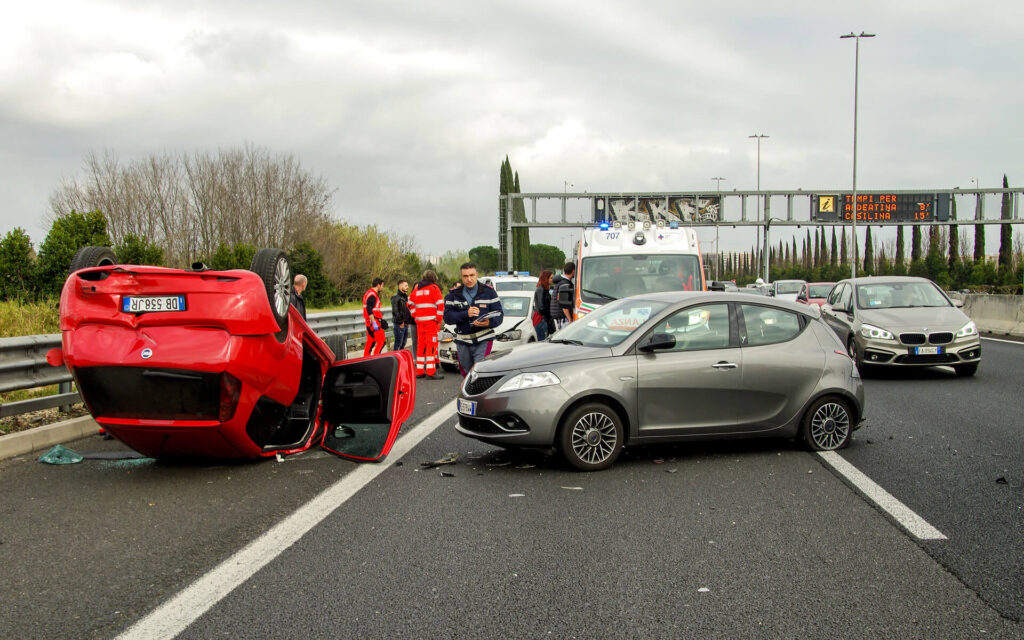
4 Steps to Take If You’re Hit By a Reckless Driver
If you are in an accident with someone who is recklessly driving in South Carolina, it will no doubt be a terrifying and traumatic experience. It is vital that you know the steps to take in the aftermath of this type of crash.
Call 911
State law requires you to report car accidents when there is property damage exceeding $1,000, an injury, or a fatality. When police officers arrive, they will assess the accident scene. Typically, a police officer will issue a reckless driving ticket to the other driver and may even take away their driver’s license if they have accumulated enough points on their driving record. The report they create can be used along with other evidence in your car accident case.
Gather Evidence
The report from the officer citing reckless driving in South Carolina might not be enough. You should make sure to take photos of the motor vehicles involved in the crash, the surrounding area, and your injuries. Talk to witnesses and get statements from them if they saw the other driver speeding or engaging in dangerous behavior immediately preceding the accident.
Get Medical Care
You may notice your injuries right away, but even if you don’t, it is vital that you get a full medical evaluation. Accidents like these can cause hidden injuries such as traumatic brain injury or internal bleeding, which can have serious complications. Your treatment will create a medical record and allow you to seek compensation for the medical expenses the reckless driver has caused.
Obtain Legal Representation
In South Carolina, the at-fault insurance laws and the modified comparative negligence rule may mean the other driver tries to blame you. With the help of a South Carolina auto accident attorney, you will have someone who can gather evidence and investigate while you are recovering from your injuries.
Negotiations can become complicated, even in a clear case of a reckless driver with a lengthy list of prior offenses. They may have a lengthy criminal history, though the criminal justice system will handle that. Under those rules, the state needs to prove they are guilty beyond a reasonable doubt.
Under the rules of civil courts, it is the injured party that must prove the defendant is at fault. This person may have been convicted of their last offense, but the facts of your case are what matter. An attorney can review all of the evidence and hire expert witnesses to recreate the accident scene. They can hire experts that explain your injuries to the court and how those injuries have altered your life.
Your lawyer will also know the best way to calculate all of your losses caused by this reckless person, ensuring you get a fair settlement. When you are hurt in a car accident and the other driver was behaving recklessly on the road, it is best to set up a free consultation to learn more about your options. At Armada Law, we invite you to give us a call to schedule a free case review today.
FAQs
Financial Help and Victim Support
Is financial help available if the driver does not have enough insurance?
Yes. South Carolina offers a victim compensation program that acts as a last option for financial help. If you were hurt by a reckless or impaired driver, you may qualify for payment of costs not covered by insurance. This can include:
- Medical bills
- Counseling expenses
- Lost wages
The program is administered through the South Carolina Department of Crime Victim Compensation.
Can I get an advocate to help me through the criminal case?
Yes. Victim advocates are available to guide you through the criminal justice process. They help explain what is happening, provide updates, and assist with compensation or restitution forms. Advocates are provided by the South Carolina Highway Patrol Office of Victim Services.
Am I entitled to restitution if the driver is convicted?
Yes. Crime victims in South Carolina have the right to request restitution from a convicted driver. To receive restitution, you must provide proof of your financial losses, share details of any insurance already received, and submit documents to the prosecuting agency.
Insurance, Fault, and Compensation
What happens if the reckless driver is uninsured or underinsured?
South Carolina law requires uninsured motorist coverage. If the at fault driver has no insurance or not enough coverage, you may file a claim under your own policy. This coverage may help pay for medical expenses, lost income, and other accident related losses.
Can I recover compensation if I am partially at fault?
Yes. South Carolina follows a modified comparative negligence rule. You can recover compensation if you are 50 percent or less at fault. Your payment is reduced by your percentage of fault. You cannot recover compensation if you are 51 percent or more at fault.
What types of damages can I claim after a reckless driving accident?
You may qualify for economic and non economic damages. Economic damages include medical bills, lost wages, and vehicle repairs. Non economic damages include pain and suffering, emotional distress, and loss of enjoyment of life.
How are punitive damages different from medical bill coverage?
Medical bill coverage repays actual financial losses. Punitive damages are meant to punish reckless behavior. In South Carolina, punitive damages are usually capped at $500,000 or three times compensatory damages, but there is no cap if the driver was under the influence.
Police Reports and Evidence
What if the police report is wrong or missing information?
If the police did not investigate and the crash involved injuries or property damage over $1,000, you must file a Traffic Accident Report with the SCDMV. If a report has errors, you may request a correction or submit a supplemental statement.
Can I see the other driver’s prior tickets or accident history?
Some records may be requested under South Carolina public records law. If you file a civil lawsuit, your attorney can use the discovery process to request the driver’s history to show a pattern of reckless behavior.
Should I give a recorded statement to the other driver’s insurance company?
Most attorneys advise against giving a recorded statement without legal guidance. Insurance companies may use statements to reduce claim value or shift blame.
Medical Care and Civil Claims
Why is seeking medical attention right away so important?
Some injuries do not cause symptoms right away. Early medical care helps protect your health and creates medical records that are often key evidence in personal injury cases.
How does a reckless driving conviction affect my civil case?
Criminal and civil cases are separate, but evidence from a criminal case—like a conviction—may help prove negligence in your civil claim.
What is the statute of limitations for a reckless driving injury lawsuit?
In most cases, you have three years from the accident date to file a personal injury lawsuit in South Carolina. Missing this deadline usually means you lose the right to seek compensation.
Reckless Driving Laws in South Carolina
What is the legal definition of reckless driving?
Reckless driving means operating a vehicle with willful or wanton disregard for safety, such as extreme speeding or aggressive lane changes.
How many points are added for reckless driving?
A reckless driving conviction adds six points to a South Carolina driving record. Twelve points results in license suspension.
What are the criminal penalties for a first reckless driving offense?
A first offense is a misdemeanor. Possible penalties include a fine between $25 and $200 and/or up to 30 days in jail.
Can a license be suspended for reckless driving?
Yes. A second reckless driving conviction within five years results in a mandatory three-month license suspension.
How long do reckless driving points stay on a driving record?
Points are reduced by half after 12 months and removed completely after 24 months.
Can points be reduced?
Yes. Drivers can reduce their total by four points by completing an approved 8-hour defensive driving course once every three years.
What is the difference between reckless driving and careless driving?
Reckless driving involves willful disregard for safety (6 points), while careless driving involves a lack of caution and usually carries 2 points.
Can victims of reckless driving seek punitive damages?
Yes. Punitive damages may be awarded if the victim proves the driver acted recklessly, willfully, or wantonly using clear and convincing evidence.
Armada Law
Free Case Review — Available 24/7 by Phone, Email, or Online Form
Sources & Learn More
The legal and statistical information regarding reckless driving in South Carolina is based on the following official sources and statutes:
- South Carolina Code of Laws Section 56-5-2920: The primary statute defining reckless driving.
- South Carolina Department of Public Safety (SCDPS): Traffic Collision Fact Books.
- South Carolina Department of Motor Vehicles (SCDMV) – Points System: Official breakdown of point penalties.
- National Highway Traffic Safety Administration (NHTSA): Data on excessive speed in fatal accidents.
- South Carolina Judicial Branch: Guidelines regarding criminal vs. civil liability.
If you are dealing with the aftermath of a collision, consider these additional resources:
- SCDMV Driver Records: Check your own driving record.
- SC Office of Highway Safety: Information on the “Target Zero” initiative.
- Reporting a Reckless Driver: Contact the Highway Patrol by dialing *HP (*47).
- Understanding Comparative Negligence: Resources explaining how fault affects compensation.
Disclaimer: This information is for general education only and is not legal or medical advice. For legal questions about a car accident, speak with a licensed attorney. Past results do not guarantee future outcomes.