


Keeping children safe in vehicles is a top priority, and South Carolina’s car seat laws are designed to protect these young passengers. Parents and caregivers must follow regulations based on weight, height, and age to reduce the risk of injuries in accidents. Failure to comply with these laws can result in penalties, but more importantly, it can put a child’s safety at risk.
These laws set essential guidelines for how children should be secured in a vehicle and when they can sit in different seating positions. There are also exceptions and special circumstances that may apply. Understanding and following these rules helps create safer travel conditions and reinforces the importance of proper child passenger safety across the state.
Understanding South Carolina’s Booster Seat Laws
Booster seats play an essential role in keeping older children safe as they transition from forward-facing car seats to adult seat belts. South Carolina booster seat requirements state that kids must use a booster seat until they reach the correct height and weight for a regular seat belt to fit them properly. This isn’t just a recommendation, it’s a law designed to protect children from serious injuries in a motor vehicle accident—especially when factors like reckless driving in South Carolina are involved.
A booster seat works by positioning a child so the lap belt and shoulder belts fit correctly across their body. Without a booster seat, seat belts can rest incorrectly on a child’s stomach or neck, increasing the risk of severe injuries in a crash. Parents responsible for following SC car seat regulations should check manufacturer guidelines to ensure they are using the correct booster seat for their child’s age and size.
Guide to SC Car Seat Requirements
SC car seat regulations outline strict rules to ensure child passenger safety across the state. South Carolina has clear laws regarding when a child should be placed in a rear-facing car seat, when they should switch to a forward-facing car seat, and when it is appropriate to move to a booster seat.
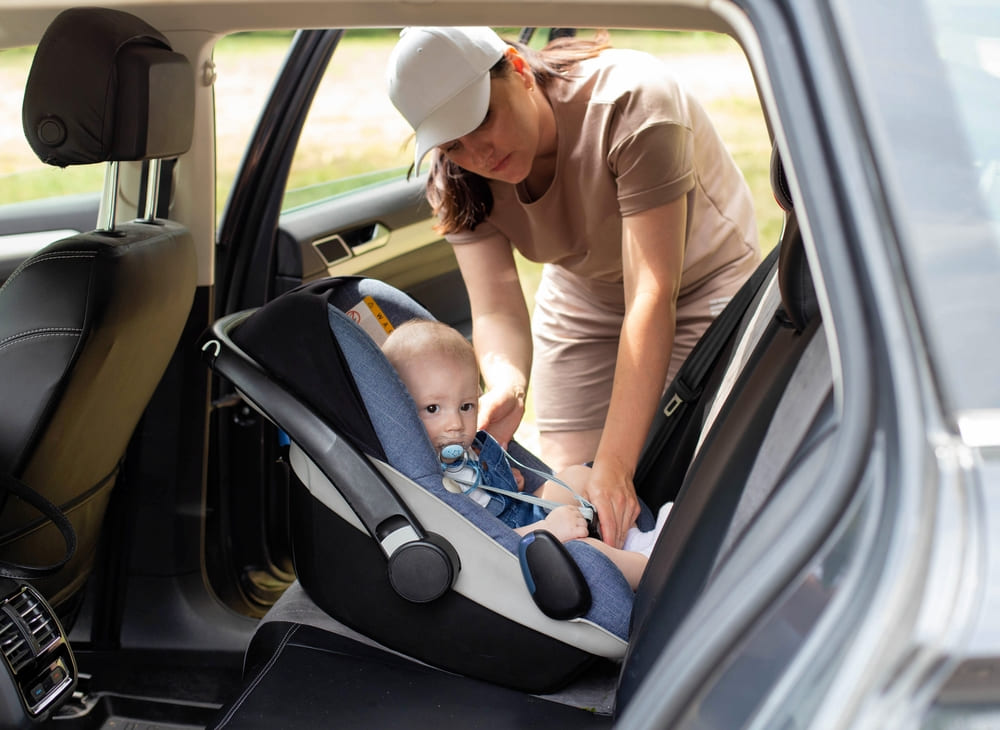
Newborns and infants must always be placed in rear-facing car seats. These seats provide crucial support for a baby’s fragile neck and spine in the event of an accident. South Carolina law requires that children remain in a rear-facing seat until they reach the manufacturer’s height and weight requirements, which often means keeping babies rear-facing for at least two years.
Once a child outgrows a rear-facing seat, they move into a forward-facing car seat with a five-point harness. These seats offer strong protection and help keep young passengers properly secured. Parents responsible for installing forward-facing car seats must ensure that harness straps are positioned correctly. If a harness is too loose, it won’t provide adequate protection in a crash.
Children who have outgrown their forward-facing car seats must use a booster seat until they are large enough to be safely restrained by seat belts. Booster seats help with positioning, ensuring that lap and shoulder belts fit across the strongest parts of a child’s body. When kids finally transition out of their booster seat, they must be able to sit with their back against the seat edge with their knees bent comfortably. South Carolina law encourages keeping children in the back seat for as long as possible, as this is the safest place in a vehicle.
Why Do Children Need Seat Belts and Booster Seats for Safety?
Seat belts and booster seats are essential for keeping children safe in vehicles. A booster seat ensures the seat belt fits properly, reducing the risk of severe injuries in an accident. Without it, seat belts can sit incorrectly, putting pressure on vulnerable areas. Young passengers need this extra support until they are big enough for an adult seat belt to protect them effectively. Proper restraints save lives. Front-facing car seats offer protection for older children, but younger ones are significantly safer in rear-facing car seats.
South Carolina Front Seat Rules for Children
Many parents wonder when their child is allowed to ride in the front seat. Based on South Carolina law’s front seat regulations, it is generally recommended to keep children in the back seat whenever possible. The back seat provides better protection, as the impact of an airbag can be dangerous for younger passengers.
South Carolina does not allow children under a certain age to ride in the front unless they meet specific height and weight requirements. Properly secured lap belt and shoulder belts are required when transitioning to the front seat. Parents responsible for child safety should wait until their child is big enough to sit correctly and safely before allowing them to move up front.
Legal Standards for Child Safety in Vehicles
Child passenger safety laws in SC are designed to keep children safe in every motor vehicle. Whether a child is riding in the family car, a taxi, or an emergency vehicle, South Carolina enforces strict rules to ensure they are correctly secured.
These legal standards prevent car seat law violations by outlining the exact requirements parents must follow when transporting children. If a child is placed in an inappropriate car seat or booster seat, or if the seat is not correctly secured, it can put them at risk in an accident. The parent responsible for not following the laws could face legal penalties. Parents must check height and weight requirements carefully to ensure their child is riding safely.
What Happens If You Don’t Follow SC Car Seat Laws?
Failing to comply with SC booster seat laws and other car seat regulations can lead to serious consequences. Car seat law violations may result in fines, penalties, or even legal action if a child is harmed in an accident due to improper restraints.
Ignoring these laws could also complicate insurance claims. If an accident occurs and a child was not properly secured, an insurance company might refuse to cover damages. Parents responsible for child passenger safety must understand that following these laws is about more than avoiding fines; it’s about protecting kids from harm.
Best Practices for Installing and Using Car Seats
Using the appropriate car seat is essential, but proper installation is just as critical. Parents responsible for installing car seats should follow the manufacturer’s instructions carefully to ensure each seat is secured correctly.
Rear-facing car seats must be placed at the correct angle so a baby’s head doesn’t fall forward, which can restrict airflow. Forward-facing car seats should have harness straps snugly secured, and booster seats must allow lap belts and shoulder belts to rest properly against a child’s body.
Lap belt positioning is also essential to ensure that the child is fully protected in case of impact. Parents responsible for installing car seats should check seat edge placement to make sure the seat is sitting level.
Exceptions and Special Cases in SC Child Seat Regulations
South Carolina has strict child passenger safety laws, but there are a few exceptions. Taxis and emergency vehicles are not required to provide car seats, meaning parents must take extra precautions when using these modes of transport. If a child is riding in a taxi, it’s best to bring a portable but properly secured child safety seat to keep them protected. Emergency vehicles may not always have restraints available, but medical staff will do their best to ensure child passengers are safely positioned.
Medical exemptions also exist for children who have conditions that make traditional car seats unsafe or impractical. Some disabilities or health issues may require alternative restraint systems. Parents responsible for making these decisions should check with a law firm to ensure their child qualifies for an exemption and understands any legal implications.
There are also temporary exceptions in rare cases. If a family is traveling and does not have access to a proper child car seat, law enforcement may evaluate the situation and offer some flexibility. However, this does not mean that parents can ignore the law; compliance is always expected whenever possible.
How Armada Law Supports Families in Car Seat-Related Cases?
When families face legal issues related to car seat violations, Armada Law provides support and guidance. Whether parents need a Greenville car accident attorney after an accident or simply want help understanding child passenger safety laws in SC, Armada Law offers expert legal assistance. If a child is injured due to improper restraints, disputes with the insurance company may follow, along with other potential legal challenges.Armada Law helps families navigate these situations and ensures parents understand the steps to follow after an accident. South Carolina’s car seat laws exist to protect children at every stage, and these laws must be followed. However, the laws can often be challenging to understand. If you have questions about the laws or have been in an accident that involves child car seat laws, please allow us to guide you through the process. You can contact us to schedule your free consultation with our experienced car accident attorney.