

Intersection accident cases are some of the most complicated, often involving multiple vehicles and witness accounts that don’t match up. That makes it difficult to determine who is to blame and who should be held responsible for injuries and vehicle damage. Plus, insurance companies dispute details, adding stress to an already frustrating situation.
Knowing what to do after an intersection accident in Greenville can make a huge difference. Here are some essential steps to protect your rights and your health, from gathering evidence to seeking proper medical care.
Armada Law is here to help Greenville drivers, offering the guidance you need after an accident. Read on to learn more.
Why Intersection Accidents Are Especially Dangerous
Accidents are far too common in intersections throughout Greenville, with serious injuries often resulting from driver error or design flaws, or a combination of the two. Our accident attorneys have detailed the most common factors below.
Key Contributing Factors in South Carolina
These factors increase the risk of a dangerous intersection accident:
- Aggressive or distracted driving: Drivers who ignore the speed limit, make risky maneuvers, or fail to pay attention behind the wheel put others at risk, especially in intersections.
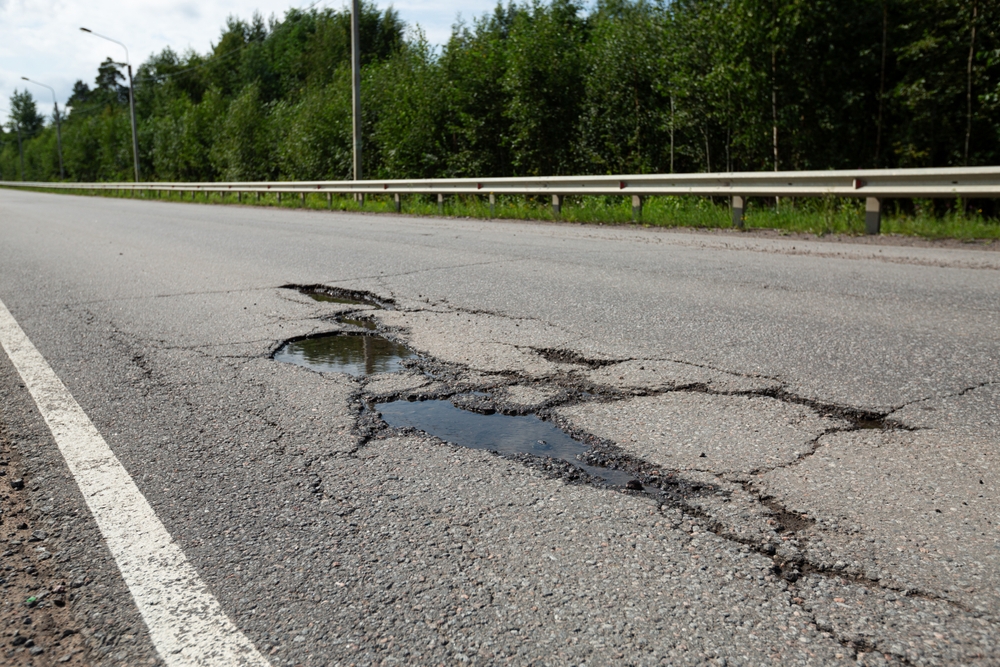
- Poor infrastructure and road design: Tricky road layouts, faded lane markings, poorly timed traffic lights, and obstructed views make it difficult to safely move through an intersection.
- Heavy traffic: High traffic volume leads to congested roads and a higher risk of collisions.
- Complicated roadways: Confusing layouts can be particularly dangerous to visitors unfamiliar with local roadways.
Why Intersection Accidents Lead to Severe Injuries
These types of crashes are associated with serious injuries for two main reasons:
- T-bone collisions: Commonly occurring in intersections, side-impact or T-bone collisions are especially dangerous because vehicles offer less protection on the sides.
- Legal challenges: South Carolina observes “comparative negligence” laws that require the determination of fault. When insurance companies try to shift the blame to the victim, it can be difficult to get the compensation you deserve.
Problem Intersections
Some South Carolina intersections are known for accidents, like the following:
- Ashley Phosphate Road & I-26 (North Charleston)
- Highway 501 & Carolina Forest Blvd (Myrtle Beach area)
- I-26 Exit 203 at College Park Road (Summerville)
Immediate Steps to Take After an Intersection Accident
With safety as your primary concern, take the following steps immediately after your accident.
At the Scene: Safety and Documentation
- Prioritize Safety and Medical Needs: If possible, move your vehicle out of the road to a safe location. Be sure to turn on your hazard lights and take note of your surroundings. This includes checking yourself and others for injuries.
- Contact Emergency Services (911): Call 9-1-1 and wait for first responders to arrive. This is to make sure you receive proper medical treatment and file a formal police report.
- Remain at the Scene: Leaving the scene before the police arrive could result in legal charges.
- Exchange Contact and Insurance Details: Swap information with all parties involved, including names, addresses, phone numbers, driver’s license numbers, and insurance policy details.
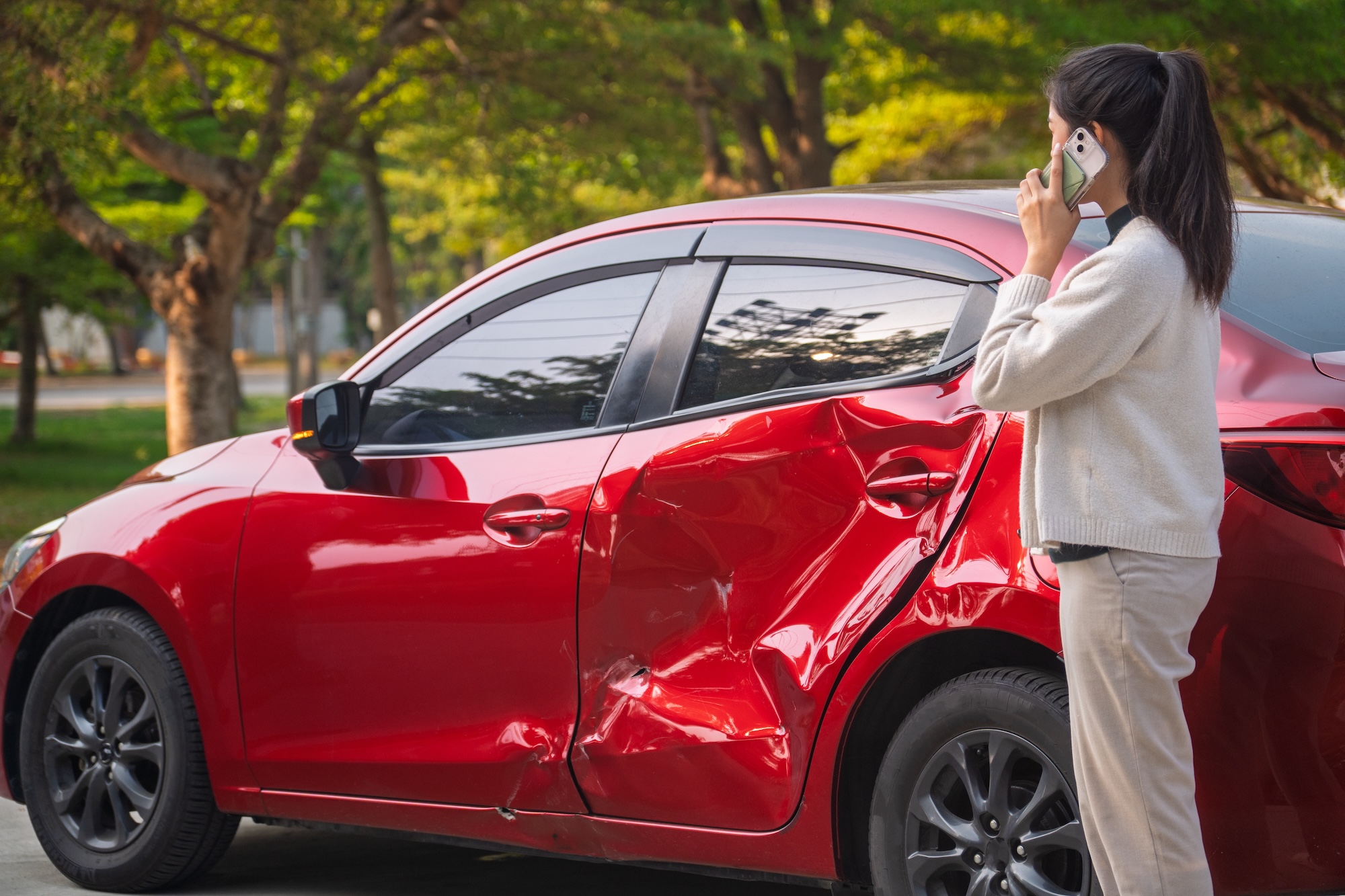
- Gather Evidence: Take photos and videos of the accident scene, including vehicle damage, road conditions, traffic signs/lights, and skid marks. If there were any witnesses, get their names and contact information.
- Never Discuss Fault: Do not admit fault or blame another party. Wait to discuss the fault with the police and your insurance company.
Post-Scene Actions
- Seek Medical Attention: Even if you don’t think you are injured, visit your doctor as soon as possible. Some injuries, like whiplash or concussions, may not show symptoms right away but could cause major issues in the days to come.
- Get a Copy of the Police Report: Remember to get a copy of the official police accident report once it is available.
- Contact Your Insurer: Report the accident to your insurance company, but avoid discussing fault with others.
- Consult a Personal Injury Attorney: Seek guidance from a trusted personal injury lawyer, especially if serious injuries are involved or liability is in question.
How to Gather Evidence at the Scene of an Intersection Accident
If you’ve been involved in an intersection accident, here’s how to properly gather evidence during the crucial steps mentioned in the section above:
1. Document the Accident Scene.
Be as thorough as possible, as your attorney and your insurance company can use images and video as evidence. Using your mobile device to capture photos and video of the following:
- Vehicle Damage: Include multiple angles.
- Vehicle Positioning: Document the final position of all vehicles involved.
- Road Conditions: Take photos of skid marks, debris, traffic signs, road hazards, etc.
- Context: Show recognizable landmarks to establish the exact location and make note of current weather conditions.
2. Exchange Information with the Other Driver(s).
Yes, the other drivers’ information is evidence! Do not leave the accident scene without the other driver’s contact info and insurance details. Exchange the following:
- Full name, address, and phone number
- Driver’s license number
- License plate number
- Insurance company and policy number
3. Obtain a Police Report.
A police report is a key piece of credible evidence in your crash. Give your account to law enforcement when they arrive on scene, but avoid admitting fault. After assessing the scene, the officer will file an official police report. Once it’s available, request a copy of the police report.
4. Gather Witness Information.
Unbiased third-party accounts can help prove your case if liability is in question. If anyone witnessed the accident, ask them for the following:
- Name and contact information
- A recorded statement about what they saw
5. Take Notes to Preserve Details.
To ensure you don’t forget any important details, make notes about the accident while it’s fresh in your mind. Specifics like these will help your attorney prove your case:
- The precise date and time of the collision.
- The speed and travel direction of all vehicles involved.
- All drivers’ actions in the moments before the collision.
- Any witness testimony or driver statements.
6. Seek Prompt Medical Attention
Even if you feel perfectly fine, visit your physician to rule out any potential injuries. This is crucial because conditions like whiplash or internal trauma may not be evident right away. Timely medical care not only promotes proper recovery, but also strengthens your case by:
- Creating an official record of your injuries.
- Attributing your injuries directly to the accident.
Preserving Your Case After Leaving the Scene
Solid evidence is needed to determine fault and, ultimately, maximize compensation. South Carolina’s modified comparative negligence rule means that the compensation you recover can be reduced by your percentage of fault. For example, your compensation is reduced by 30% if you’re found to be 30% to blame for the accident.
Continue to carefully document your case by keeping copies of the following:
- Medical bills and healthcare records
- Car repair receipts and estimates
- Pay stubs proving lost wages due to work absences
- All correspondence with insurance companies
NOTE: If you can wait, don’t have your vehicle repaired right away. The damage may serve as useful physical evidence to strengthen your case. Consult with a qualified car wreck attorney in Greenville, SC, before scheduling repairs.
Understanding Fault in South Carolina Intersection Accidents
In South Carolina, negligence is used to decide who is at fault in intersection accidents. Negligence involves four components: duty, breach, causation, and damages.
Our state operates under a modified comparative negligence system, meaning that compensation can be recovered only if you are found to be less than 51% at fault for the crash.
Drivers found liable often break traffic laws by running red lights, failing to yield the right of way, or misjudging turns. Investigators then build a complete picture of the incident using police reports, witness accounts, and traffic footage to determine fault.
The Four Elements of Negligence
A successful claim proves fault using these four elements:
- Duty of Care: All drivers have a legal obligation to follow all traffic laws and safety practices.
- Breach of Duty: A driver failed to meet this standard of care.
- Causation: The driver’s breach of duty directly caused the accident.
- Damages: The accident led to quantifiable losses, like injuries or vehicle damage.
Common Scenarios for Determining Fault
Because no two cases are the same, fault is assigned based on the specific details of the crash. Here are some examples:
- Disobeying Traffic Signals: The driver who fails to stop at a red light or stop sign is typically at fault.
- Left-Turn Incidents: The driver making the left turn is often to blame if they fail to yield to oncoming traffic.
- Right-of-Way Rules: The liable driver does not observe the general rule of intersections, such as failing to yield the right of way at a four-way stop.
- Multi-Lane Collisions: Fault is assigned to drivers who make unsafe lane changes or merge unsafely.
Key Evidence for Proving Fault
The following factors are important in establishing liability:
- Police Reports: These provide a review of the accident scene and relevant details.
- Witness Statements: Testimony from unbiased witnesses can help strengthen your case.
- Traffic Footage: Visual evidence from traffic cameras or mobile devices is difficult to dispute.
- Vehicle Damage: The specific location and severity of the damage can be used to find out which vehicle struck the other.
The South Carolina 51% Bar Rule
South Carolina’s Modified Comparative Negligence Rule, or 51% Bar Rules, states that a person found to be 51% or more at fault is not eligible to recover any compensation. Proportional Reduction explains that if a driver is found to be less than 51% at fault, their total compensation amount will be reduced by their percentage of fault. For instance, if you are 40% at fault, the total damages you receive will be reduced by 40%.
Protecting Your Rights After an Intersection Accident with Armada Law
Intersection accidents make a major impact, often resulting in physical injuries and vehicle damage. Drivers may feel pressure from insurance companies to admit fault – and to settle for less than they deserve.
That’s why it’s important to have a trusted advocate on your side. Here at Armada Law, our car accident attorneys will help you find quality medical care, preserve key evidence, and recover maximum compensation. Plus, we’re happy to answer any questions along the way.
If you were injured in an intersection accident, don’t navigate the road to recovery alone. Armada Law is committed to helping accident victims understand their rights and pursue fair compensation – so let’s get started!
To schedule your consultation, contact us today.
Disclaimer: This article is provided for general informational purposes only and is not intended as legal advice. Reading this content or contacting Armada Law does not establish an attorney-client relationship. Every intersection accident case is different, and outcomes depend on the specific facts and applicable South Carolina law, which may change over time. For guidance regarding your individual situation, consult a qualified South Carolina personal injury attorney.