

 Call Us Now
 Email Us Now
Head-On Collision Attorneys in Greenville, SC
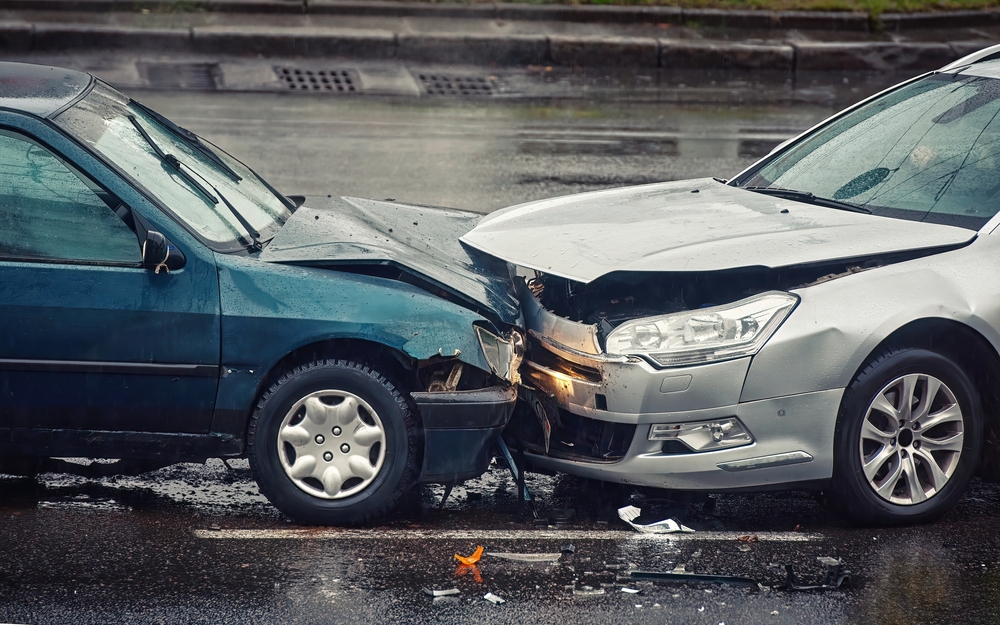
Head-on collisions are the most devastating accidents on South Carolina roads. While they represent a small percentage of total crashes, they account for a disproportionate number of fatalities. When two vehicles traveling in opposite directions collide, the force of impact is effectively doubled, leading to catastrophic outcomes.
In Greenville, these accidents often occur due to wrong-way drivers on one-way streets downtown or vehicles crossing the center line on rural Upstate roads. If you or a loved one were involved in a head-on crash, the physical and financial stakes are incredibly high. You shouldn’t face aggressive insurance adjusters alone.
At Armada Law, we guide victims through the legal process with compassion and aggression. We handle head-on collision cases on local roads and major highways in Greenville, SC, including I-85, I-385, White Horse Road, Poinsett Highway, and US-276. Our Greenville head-on collision lawyers understand the mechanics of these high-impact crashes and fight for maximum compensation.
Need help? Armada Law is easy to reach and ready to listen. Contact us today for a free case review.
Why Greenville Head-On Accidents Are Different
Greenville County presents a unique risk for head-on crashes due to its mix of high-speed interstates and narrow, winding secondary roads. Whether it’s a driver entering the I-85 off-ramp the wrong way or someone overcorrecting on a curve in Greenville or Taylors, these accidents happen in a split second but have lifelong consequences.
Common Causes We Investigate:
- Impaired Driving: Alcohol or drugs are the leading causes of drivers drifting across center lines or driving the wrong way.
- Distracted Driving: A driver looking at a phone can drift into oncoming traffic before they have time to react.
- Wrong-Way Entry: Confusing road layouts or poor signage leading to drivers entering one-way streets or highway exits.
- Fatigue: Drowsy drivers often “micro-sleep,” causing the vehicle to veer directly into the path of oncoming cars.
- Unsafe Passing: Attempting to pass on two-lane roads like Hwy 11 or US-25 without enough clearance.
Common Injuries in Head-On Collisions
Because the energy of both vehicles is concentrated on the front-end impact, injuries are almost always severe or permanent.
- Traumatic Brain Injuries (TBI): Massive force causing the brain to strike the skull, even with airbag deployment.
- Spinal Cord Injuries: Paralysis or permanent nerve damage from the violent deceleration.
- Internal Organ Damage: Impact with the steering wheel or seatbelt can cause life-threatening internal bleeding.
- Lower Extremity Fractures: Crushing of the vehicle’s front end often leads to severe leg, hip, and foot injuries.
- Facial Trauma: Injuries from airbag chemicals, glass, or steering wheel impact.
Who Is at Fault in a Head-On Accident With No Witnesses?
When there are no witnesses, fault in a head-on collision is determined using physical evidence, vehicle data, and South Carolina traffic laws, not just what each driver says.
South Carolina follows Modified Comparative Negligence, meaning insurance companies and attorneys rely on objective proof to decide who crossed the line or drove the wrong way.
Below is how fault is usually determined.
Forensic Damage Patterns (What the Cars Reveal)
According to accident reconstruction principles recognized by the National Institute of Justice, vehicle damage often tells the clearest story in head-on crashes:
- Front-End Crush Zones: Uneven damage can show which vehicle was moving faster or out of position.
- Angle of Impact: Off-center damage may indicate one driver crossed the center line.
- Debris Field Location: Broken glass and parts usually land where the impact occurred, often showing which lane was invaded.
In many cases, debris resting in one lane strongly suggests the other driver crossed over.
Electronic Evidence (The Digital Witness)
Even without witnesses or dashcams, vehicles often record critical data. The National Highway Traffic Safety Administration confirms that modern vehicles may store:
- Event Data Recorders (EDRs): Often called “black boxes” — record speed, braking, throttle use, and steering seconds before impact. Can show sudden lane departure or overcorrection.
- GPS & Telematics Data: Common in commercial, fleet, and rideshare vehicles. Can confirm wrong-way driving or center-line crossing.
This data is unbiased and highly persuasive with insurers.
South Carolina Traffic Laws That Matter
South Carolina law places a clear duty on drivers to stay in their lane and avoid oncoming traffic.
Under S.C. Code § 56-5-1810, drivers must:
- Drive on the right half of the roadway
- Only cross the center line when it is clearly safe
If one vehicle crossed the center line, even briefly, that driver is often presumed at fault in a head-on collision.
Police Reports (TR-310 Accident Report)
Officers rely on physical evidence at the scene, even without witnesses. Reports from the South Carolina Department of Motor Vehicles often include:
- Yaw Marks or Tire Gouges: Show loss of control or sudden steering.
- Final Resting Positions: Where vehicles ended up after impact.
- Officer Observations: Notes on lane position, road conditions, and driver statements.
Insurance companies give significant weight to these professional findings.

The 51% Rule Warning
In a head-on collision, insurance companies may try to argue that you had the “last clear chance” to avoid the accident or that you reacted poorly. South Carolina follows a modified comparative negligence rule:
- The 51% Threshold: You can only recover money if you are 50% or less at fault. If a court decides you are 51% responsible (perhaps for failing to swerve), you recover nothing.
- Reduced Recovery: If you are found 10% at fault for a minor lane position issue, your final settlement is reduced by 10%.
Our attorneys work immediately to secure “Black Box” (EDR) data, toxicology reports, and accident reconstruction experts to prove the other driver was the sole cause of the impact.
High-Risk Areas for Head-On Accidents in Greenville County
Greenville leads the state in total crashes. Head-on wrecks often occur on these high-traffic corridors:
- Rural Two-Lane Roads: Routes like Old Augusta Road and sections of US-25 where there is no median barrier.
- Downtown One-Way Streets: Confusion on streets like Beattie Place or North Main often leads to wrong-way drivers.
- Highway Interchanges: The I-85/I-385 Gateway where confusing signage can lead to wrong-way ramp entry.
- Construction Zones: Narrowed lanes and shifting traffic patterns on Woodruff Road increase the risk of center-line crossovers.

FAQs
In South Carolina, a head-on collision occurs when the front ends of two vehicles traveling in opposite directions crash into each other.
These crashes often happen when:
- A driver crosses the center line on a South Carolina roadway
- A driver enters the wrong lane or drives the wrong way
- A vehicle strikes a fixed object headfirst, such as a tree or utility pole
Head-on collisions are among the most dangerous crashes on South Carolina roads.
South Carolina law generally allows three years from the date of the crash to file a personal injury lawsuit.
In serious head-on crashes, attorneys often act quickly to preserve vehicle data. This includes downloading information from the vehicle’s electronic data recorder before insurance companies remove or scrap the vehicle.
If the at-fault driver was impaired by alcohol or drugs, South Carolina law may allow you to seek punitive damages. Punitive damages are awarded to punish reckless or willful conduct and can significantly increase compensation in drunk driving head-on collision cases.
Head-on crashes involving commercial trucks are often governed by federal safety rules.
Lawyers may review:
- Driver logbooks
- Hours of service records
- Maintenance and safety reports
The Federal Motor Carrier Safety Administration enforces these rules.
The wrong-way driver is usually blamed. However, investigators may also examine whether road conditions played a role.
This can include:
- Missing or unclear wrong-way signs
- Poor lane markings
- Construction zone confusion
The South Carolina Department of Transportation oversees road signage and highway safety in South Carolina.
Crash investigators in South Carolina search the first impact point. They examine:
- Gouge marks in the roadway
- Heavy debris such as engine or axle parts
- Damage patterns on both vehicles
Even a few inches over the center line can determine fault under South Carolina traffic laws.
No. When two similar vehicles collide head-on at 40 mph, the force is closer to hitting a solid wall at about 40 mph.
Both vehicles absorb impact through crumple zones. However, head-on crashes remain extremely dangerous because the vehicles approach each other at a very high closing speed.
This type of crash research is studied by the Insurance Institute for Highway Safety.
Seat belt syndrome refers to injuries caused by the force of a seat belt during a sudden stop in a crash.
Common injuries include:
- Abdominal injuries
- Internal organ damage
- Lower spine injuries
Bruising across the chest or waist after a head-on collision is a warning sign and should be evaluated by a doctor immediately.
Possibly not. South Carolina recognizes the sudden emergency doctrine.
If you swerved to avoid an unexpected danger that was not your fault, you may not be considered negligent. You must show that your reaction was reasonable for the situation.
In South Carolina, insurance companies pay the actual cash value of your vehicle. This is what the car was worth before the crash. If your loan balance is higher than the car’s value and you do not have GAP coverage, you may still owe money to the lender.
A sudden medical emergency can sometimes be used as a defense in South Carolina. However, the driver must prove the condition was unforeseeable. If the driver had a known medical history and continued driving, they may still be legally responsible for your injuries.
Head-on collision victims often see the crash moments before impact. This can cause severe emotional trauma.
Common symptoms include:
- Anxiety while driving
- Trouble sleeping
- Post-traumatic stress symptoms
South Carolina law allows victims to seek compensation for emotional distress and mental suffering.
Health insurance companies often pay initial medical bills after a crash. Later, they may seek repayment from your settlement through a process called subrogation. This process is explained by the National Association of Insurance Commissioners.
This is a myth. Medical and crash data show alcohol can worsen injuries by increasing internal bleeding and delaying medical response. Crash injury data in South Carolina is tracked by the National Highway Traffic Safety Administration.
An offset head-on collision occurs when only part of the front ends collide.
These crashes are often more dangerous because:
- The force bypasses the main crumple zone
- Impact enters the passenger compartment
- Legs and feet are at higher risk of crushing injuries
Offset crashes are common on two-lane South Carolina roads and rural highways.
Why Choose Armada Law?
When you hire Armada Law, you work directly with South Carolina-licensed attorneys who have over 10 years of personal injury experience.
Explore: Meet the Legal Team
We know a head-on collision is not a minor crash. It is one of the most violent types of wrecks and can turn your life upside down in seconds—physically, emotionally, and financially.
Our Greenville head-on collision lawyers take these cases seriously because we see the real damage they cause. We fight to hold the at-fault driver accountable and pursue full compensation for your injuries and losses.
Our attorneys are recognized through respected legal memberships and ratings, including:
- Million Dollar Advocates Forum
- South Carolina Bar
- South Carolina Association for Justice
- Notable Avvo ratings
Contact Armada Law today for a free case review. We proudly serve Greenville, Simpsonville, Mauldin, Greer, Taylors, and surrounding Upstate South Carolina communities.
The information on this page is for general informational purposes only and does not constitute legal advice. No attorney’s fee unless we recover. Case costs and expenses may apply. Past results do not guarantee future outcomes. Attorney advertising.