

 Call Us Now
 Email Us Now
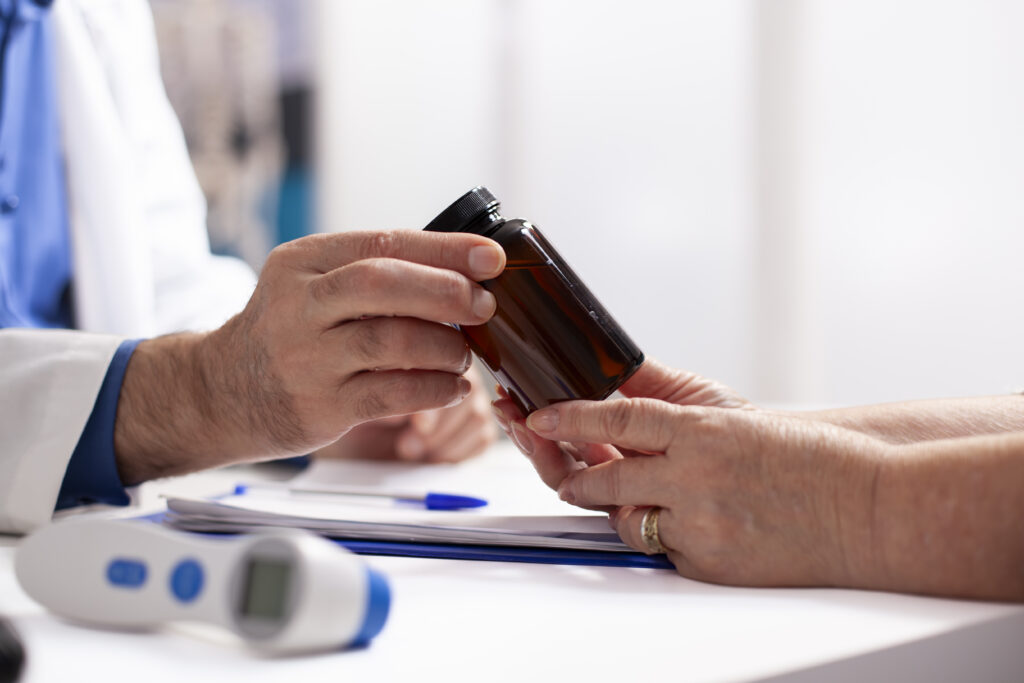
Methocarbamol helps relieve muscle spasms by relaxing specific muscles in the body. This reduces stiffness and can relieve pain caused by acute, painful musculoskeletal conditions.
If you were prescribed methocarbamol after a motor vehicle accident, the medication was likely given to help treat muscle spasms from injuries such as whiplash or back strain. According to the National Institutes of Health (NIH), these types of injuries are common after car accidents and can cause muscles to tighten and spasm as a biological response to trauma.
Understanding your prescription is a vital part of recovery. Many patients want to know why a specific medication was chosen after an accident. When taken exactly as directed, methocarbamol can help improve comfort and mobility while your body recovers, typically as part of a regimen that includes rest and physical therapy.
Methocarbamol is a widely used skeletal muscle relaxant in the United States. While it is often chosen for its efficacy in treating acute strain, it is frequently used because it may cause less sedation than other medications in its class.
Methocarbamol, often sold under the brand name Robaxin, is a widely used muscle relaxant. Based on 2023 data, it was the 121st most prescribed medication in the United States, over 5.2 million prescriptions were written that year.
This shows that doctors commonly trust methocarbamol to help manage muscle pain and spasms.
COMMON BRANDS NAME IN THE U.S.
- Robaxin
- Robaxin-750
WHY A DOCTOR MAY PRESCRIBE IT
Why It May Be Offered
- Helps treat muscle spasms after a sudden injury or impact.
Common Reasons
How It Helps
- Relaxes tight or knotted muscles.
- Lowers muscle related pain.
- Assists in regaining range of motion during physical therapy.
What Your Doctor Needs to Know First
- Any medication allergies.
- History of kidney disease.
- History of seizures.
- Your age (use in the elderly requires caution).
- If you are pregnant or trying to become pregnant.
- If you are breastfeeding.
- All medications, herbal products, and supplements you currently take.
Clear communication is important when it comes to your medications. If you have any questions or concerns, it is best to speak directly with your physician, who can provide personalized medical guidance and help ensure you feel informed and reassured about your care.
Please note that this information is for general educational purposes only and is not a substitute for professional medical advice.
RISK FACTORS WHEN TAKING THE PRESCRIPTION
Methocarbamol is a commonly used muscle relaxant, but it does have potential risks. According to the Food and Drug Administration and the National Institutes of Health, you should be aware of the following:
- Drowsiness and dizziness
-
-
- Can cause sleepiness, lightheadedness, or fatigue
- May affect your ability to drive or use machinery safely
-
- Alcohol interactions
-
-
- Drinking alcohol while taking methocarbamol can increase sedation
- Can lead to dangerously low breathing or extreme sleepiness
-
- Kidney considerations
-
-
- Injectable forms may need close monitoring in patients with kidney problems
- The drug is processed through the kidneys, which can affect dosing
-
- Seizure risk
-
- Rare reports of methocarbamol triggering seizures
- Higher risk in people with a known seizure disorder
Always talk with your healthcare provider about your personal risks before starting methocarbamol. They can guide you on side effects, interactions, and safety based on your health.
SIDE EFFECTS
Common side effects:
- Drowsiness or dizziness.
- Nausea or upset stomach.
- Blurred vision.
- Headache.
- Fever.
- A metallic taste in the mouth.
Call your doctor right away if you notice:
- Rash, itching, hives, or swelling of the face or tongue.
- Trouble breathing or swallowing.
- Slow heart rate (bradycardia).
- Fainting or extreme lightheadedness.
- Eye or skin yellowing (jaundice).
- Red, brown, or black urine.
Always work closely with your physician to get clear, personalized guidance about any health concerns that may arise while taking medication. They can help you understand risks, monitor symptoms, and make informed decisions about your care.
STORAGE
- Store in a closed container at room temperature.
- Keep away from heat, moisture, and direct light.
- Do not freeze.
- Keep out of reach of children.
- Do not keep expired or unused medication.
- Ask your healthcare provider how to safely dispose of unused medicine.
Please consult with a medical professional to obtain the most accurate guidance on how to safely store your prescription medications. They can provide advice tailored to your specific medications and home environment.
WHEN TO TELL DOCTOR ABOUT ISSUES WHILE TAKING PRESCRIPTION
Contact your healthcare provider if you experience:
- Persistent nausea that affects your appetite.
- Dizziness that makes you feel unsteady when standing.
- Mild skin irritation or redness.
- Changes in your sleep patterns.
Get emergency medical help right away if you have:
- Signs of a serious allergic reaction such as hives, facial swelling, or trouble breathing.
- Sudden fainting or loss of consciousness.
- Seizures.
- Vision changes that do not go away.
Please note that this information is for general educational purposes only and is not a substitute for professional medical advice. Always consult directly with a qualified healthcare provider if you have questions or are experiencing any health concerns.
Local Hospitals in Greenville County
If you need medical assistance, please reach the nearest medical institution near you in the Greenville County area.
- Prisma Health Greenville Memorial Hospital
- Address: 701 Grove Rd, Greenville, SC 29605
- Phone: (864) 455-7000
- Visit Website
- St. Francis Downtown (Bon Secours)
- Address: 1 St. Francis Dr, Greenville, SC 29601
- Phone: (864) 255-1000
- Visit Website
- St. Francis Eastside (Bon Secours)
- Address: 125 Commonwealth Dr, Greenville, SC 29615
- Phone: (864) 675-4000
- Visit Website
- Prisma Health Greer Memorial Hospital
- Address: 830 S Buncombe Rd, Greer, SC 29650
- Phone: (864) 797-8000
- Visit Website
- Prisma Health Hillcrest Hospital
- Address: 729 SE Main St, Simpsonville, SC 29681
- Phone: (864) 454-6100
- Visit Website
- Prisma Health North Greenville Hospital
- Address: 807 N Main St, Travelers Rest, SC 29690
- Phone: (864) 455-9206
- Visit Website
- Prisma Health Patewood Hospital
- Address: 175 Patewood Dr, Greenville, SC 29615
- Phone: (864) 797-1000
- Visit Website
Nearest Hospital by Location
- Greenville City: Prisma Health Greenville Memorial or St. Francis Downtown
- Greer: Prisma Health Greer Memorial
- Simpsonville: Prisma Health Hillcrest Hospital
- Travelers Rest: Prisma Health North Greenville Hospital
- Mauldin: Prisma Health Hillcrest Hospital or St. Francis Eastside
- Fountain Inn: Prisma Health Hillcrest Hospital
- Taylors: Prisma Health Greer Memorial or St. Francis Eastside
- Berea: St. Francis Downtown
- Tigerville: Prisma Health North Greenville Hospital
FAQs
Methocarbamol Definition and Benefits
What Is Methocarbamol?
Methocarbamol is a skeletal muscle relaxant that works on the central nervous system to reduce muscle spasms and pain. It is not chemically related to antidepressants, and its exact mechanism is not fully understood.
What Are the Benefits of Taking Methocarbamol?
According to FDA data, Methocarbamol is used short term with rest and physical therapy to relieve acute musculoskeletal pain. It may help:
- Relax stiff or spasming muscles
- Improve range of motion
- Reduce localized pain from strains or sprains
Is this medication commonly offered after a car accident?
Yes. According to the Cleveland Clinic, it is often used for acute injuries like whiplash or lower back strains to manage muscle guarding and spasms after trauma.
How It Works and What to Expect
How Long Does It Take to Work?
- Relief can begin within 30 minutes
- Peak blood levels occur 1 to 2 hours after dosing
- Effects last several hours, requiring multiple daily doses
How Will I Feel After Taking Methocarbamol?
Common effects include:
- Drowsiness or sedation
- Dizziness or lightheadedness
- Blurred vision
- Metallic taste in the mouth
- Coordination issues
Will Methocarbamol Make Me Sleepy?
Yes. Because it slows the central nervous system, avoid driving, heavy machinery, or hazardous tasks until you know how it affects you, according to the National Institutes of Health.
Is Methocarbamol Addictive?
No. Methocarbamol is not a controlled substance and has low potential for abuse, according to the FDA. Misuse can lead to psychological dependence, especially if taken in higher doses than prescribed or with other sedatives. Use only as prescribed for short term treatment.
Side Effects and Tolerability
Will Methocarbamol Upset My Stomach?
Nausea or gastrointestinal upset is possible. Taking the medication with food or milk may reduce discomfort. Seek medical attention for severe vomiting or liver-related symptoms such as dark urine.
Why Does My Mouth Feel Strange?
Some patients notice a metallic or bitter taste. Staying hydrated may help reduce discomfort.
How Long Do Side Effects Last After Stopping?
According to the National Institutes of Health, because methocarbamol has a short half life, most side effects such as drowsiness or dizziness usually subside within a day of the last dose.
Safety and Restrictions
Are There Any Restrictions While Taking Methocarbamol?
Yes. Avoid alcohol and other CNS depressants unless approved by your doctor. Urine may appear green, black, or blue, which is harmless.
Is It Safe for Older Adults?
Older adults may be more sensitive to sedation, confusion, and falls. Dosage should be monitored carefully in patients over 65.
Is Methocarbamol Safe if I Have a Heart Condition?
Use with caution in patients with heart disease or seizures. Always disclose your medical history to your healthcare provider.
Can I Take Methocarbamol While Breastfeeding?
It is not known if methocarbamol passes into breast milk. Use only if clearly needed and under medical supervision.
Dosing and Use
Can I Take Methocarbamol With Food?
Yes. It can be taken with or without food. Taking it with a meal may reduce stomach upset.
Can I Cut a Tablet in Half?
Immediate release tablets may be split if recommended by your provider. Extended release forms should not be altered. Always partner with your doctor for medical advice.
Can I Take Two Tablets at Once?
Follow your prescription. Taking more than prescribed increases risk of extreme drowsiness, nausea, or fainting.
Is It Safe to Take Methocarbamol Every Day Long Term?
No. It is intended for short term treatment of acute injuries. It is not recommended for chronic pain management.
Drug Interactions and Comparisons
Is Methocarbamol an Opioid or Narcotic?
No. Methocarbamol is not an opioid or narcotic. It works on the central nervous system to relax muscles.
Can I Take Methocarbamol and Ibuprofen Together?
Yes. There are no known interactions, and they are often used together for multi modal pain relief.
What Is the Difference Between Methocarbamol and Pain Relievers?
Methocarbamol targets muscle spasms via the CNS. Pain relievers like acetaminophen or ibuprofen reduce inflammation or block pain signals.
Will Methocarbamol Show Up on a Drug Test?
It is not a controlled substance and is rarely included in standard employment drug tests.
Special Concerns
Can Methocarbamol Be Used for Sleep or Anxiety?
No. Although it causes drowsiness, it is not FDA approved for insomnia or anxiety. Off-label use may cause excessive daytime sleepiness.
Does Methocarbamol Cause Weight Gain?
Weight gain is uncommon. Any change is usually due to reduced activity during injury recovery.
What Should I Do if I Have a Bad Reaction?
Seek emergency care immediately if you experience:
- Severe allergic reactions
- Trouble breathing
- Extreme dizziness or fainting
Need Legal Advice After an Auto Wreck? Armada Law is Here to Help.
Honest Advice. Simple Process.
Armada Law offers an experienced team that provides compassionate legal support while fighting for the compensation you deserve. With over 20 years of legal experience, our Greenville car accident law firm is equipped to handle every step of your accident claim from start to finish.
We handle:
- Auto and motorcycle accidents
- Trucking and commercial vehicle cases
- Claims guidance and legal protection
Now, what does the process look like:
- Free Chat – Tell us what happened. It costs nothing to talk to us.
- We Build Your Case – We gather police reports, doctor notes, and other evidence to support your claim.
- You Get Paid – We negotiate a fair settlement. You get a check to pay your bills and move on.
So, take the first step. Contact Armada Law today for your free consultation and start your path to recovery.
Armada Law
Free Case Review — Available 24/7 by Phone, Email, or Online Form
Sources & Learn More
The clinical information and safety guidelines regarding Methocarbamol in this article are derived from the following medical authorities and regulatory bodies:
- MedlinePlus: Comprehensive data on methocarbamol for skeletal muscle relaxation, injury recovery, and specific warnings regarding kidney health and seizure history.
- U.S. Food & Drug Administration (FDA): Official prescribing information for Robaxin, including guidance on intravenous vs. oral administration and sedation profiles.
- The Mayo Clinic: Clinical insights into the management of muscle spasms, potential drug interactions (especially alcohol), and precautions for geriatric patients.
- National Institute of Neurological Disorders and Stroke (NINDS): Research and data regarding biological responses to trauma, such as whiplash and soft tissue strains following motor vehicle accidents.
- American Society of Health-System Pharmacists (ASHP): Standardized guidelines for the storage, handling, and safe disposal of prescription muscle relaxants.
For additional support regarding your recovery, medication safety, or the diagnostic process following an accident, please explore these resources:
- Safe Medicine Disposal Guide: Find a DEA-authorized collection site or learn how to safely discard unused methocarbamol to protect your household and the environment.
- Preventing Accidental Ingestion: Practical tips from the “Up and Away” campaign on storing medications safely out of the reach of children.
Disclaimer: This information is for general education only and is not legal or medical advice. Methocarbamol is a prescription medication, always follow your doctor’s guidance. If you have questions about your health or prescription, consult your healthcare provider. For legal questions about a car accident, speak with a licensed attorney. Past results do not guarantee future outcomes.