

 Call Us Now
 Email Us Now
Key Takeaways
- Factory headlights are legal, even if they look extremely bright, factory systems are usually legal.
- South Carolina headlight rules depend on whether the lights came from the factory or were added later
- Using overly bright headlights or failing to dim high beams can lead to fines and legal trouble
Bright headlights are one of the most common complaints from South Carolina drivers. Many people feel temporarily blinded while driving at night, especially on two lane roads and highways. This is more than just frustrating. It is a real safety issue and sometimes a legal one.
If you have ever squinted, slowed down suddenly, or lost sight of the road because of oncoming headlights, this guide explains what South Carolina law allows, what can lead to a ticket, and how to protect yourself.
South Carolina Law on Bright Headlights
South Carolina headlight rules depend on whether the lights came from the factory or were added later.
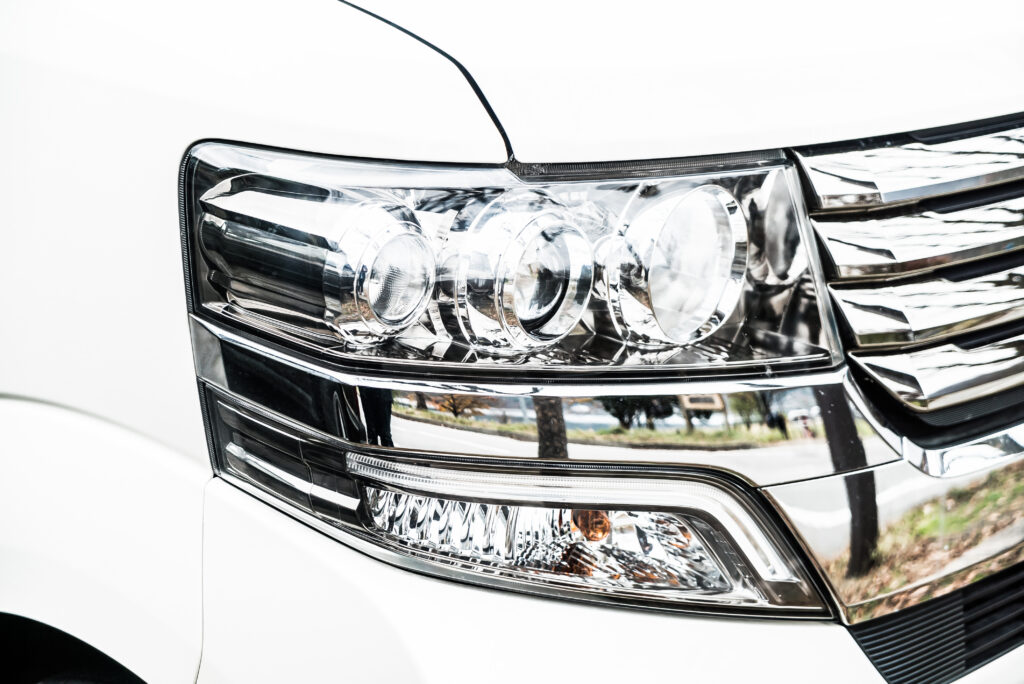
Factory Installed LED or HID Headlights
- Factory headlights are legal.
- Automakers must follow federal safety rules called FMVSS 108.
- These rules control brightness, beam pattern, and aiming.
- Even if they look extremely bright, factory systems are usually legal.
These standards are enforced under rules from the U.S. Department of Transportation.
Aftermarket LED or HID Bulbs
This is where many drivers run into problems.
- Swapping LED bulbs into older halogen housings is often illegal.
- Older housings reflect light differently and scatter glare.
- The result is light shining directly into other drivers’ eyes.
South Carolina requires added lighting to be DOT approved.
- Many online LED kits are labeled for off road use only.
- If it is not street legal, you can be cited even if the lights work.
High Beam Rules in South Carolina
South Carolina law Section 56-5-4830 requires drivers to dim high beams:
- Within 500 feet of oncoming traffic.
- Within 200 feet when following another vehicle.
Failing to dim is one of the most common nighttime traffic violations.
Penalties for Blinding Headlights in South Carolina
Using overly bright headlights or failing to dim high beams can lead to fines and legal trouble.
Traffic Fines
- Failing to dim high beams is a ticketable offense.
- Total fines and court costs can reach over two hundred dollars depending on location.
Misdemeanor Violations
- Lighting violations fall under South Carolina vehicle equipment laws.
- The base fine may appear low, but added fees raise the total cost.
Illegal Headlight Colors
- Blue headlights are reserved for law enforcement only.
- Using blue lights can lead to severe penalties.
- In some cases, charges may include impersonating a police officer.
What to Do If Another Driver’s Headlights Blind You
Safety guidance from the South Carolina Department of Public Safety recommends the following steps:
- Look to the right edge of the road instead of at the lights.
- Use peripheral vision to track the vehicle.
- Slow down if visibility is reduced.
- Do not flash your high beams back.
Flashing your lights can blind the other driver and make the situation worse.
The Key Rule to Remember in South Carolina
“The 500 and 200 Foot Rule”
You must dim your high beams:
- 500 feet before meeting oncoming traffic.
- 200 feet when following another vehicle.
Violating this rule can result in a traffic stop even if your headlights are otherwise legal.
FAQs
Headlight Rules and Distance Laws
What is the 500 or 200 foot rule?
- Dim high beams within 500 feet of oncoming traffic.
- Dim high beams within 200 feet when following another vehicle.
How many headlights are required?
Most vehicles must have at least two working headlights.
- One on each side of the vehicle.
- Up to four headlights may be used at once.
- Motorcycles follow different rules.
Can I be pulled over with one headlight out?
Yes, police often issue a fix it ticket. Costs increase if repairs are delayed.
Bright Lights and High Beams
Can headlights be too bright?
Yes, using overly bright or illegal lights is a misdemeanor. Total costs can exceed two hundred dollars with fees.
Why do modern headlights look like high beams?
- Taller vehicles shine into smaller cars.
- Headlights may be misaligned.
- Illegal LED conversions cause glare.
Is flashing headlights illegal?
- South Carolina has no specific ban.
- Flashing within 500 feet at night can violate dimming rules.
- Police may still stop you depending on the situation.
LED HID and Aftermarket Lighting
Are LED or HID headlights legal?
Yes, both are legal if factory installed.
- Often illegal when added to halogen housings.
- Poor installation creates unsafe glare.
Are tinted or smoked headlight covers legal?
No, headlights must remain clear. Light must be visible from at least 500 feet.
Are LED light bars legal on public roads?
No, they are for off road use only. Using them on highways can result in a ticket.
Are colored headlights legal?
- Only white or amber headlights are allowed.
- Blue and red lights are prohibited.
Fog Lights and Extra Lighting
Are fog lights allowed?
Yes when used correctly.
- Up to two fog lights are permitted.
- Mounting height must be within legal limits.
- Lights must not blind other drivers.
What is the legal headlight height?
- At least 24 inches from the ground.
- No more than 54 inches from the ground.
- Lifted vehicles should double check compliance.
Safety and Driving Tips
What should I do if I am blinded by headlights?
- Look toward the right edge of the road.
- Use side vision instead of staring at lights.
- Slow down safely.
- Do not flash your lights back.
Do headlights need to be on when wipers are on?
Yes, headlights are required during rain, snow, or sleet. Parking lights do not count.
Common Driver Questions
Why do so many drivers complain about bright headlights?
- Vehicle height differences.
- Poor headlight alignment.
- Illegal aftermarket LED installations.
Drive Smart and Stay Safe on South Carolina Roads
Understanding headlight laws helps protect everyone on the road. Properly aimed and legal lighting reduces crashes, prevents glare, and avoids unnecessary tickets.
If you are injured in a crash caused by another driver’s negligence or improper lighting, Armada Law is here to help. Our Greenville car accident attorneys handle insurance claims, negotiations, and litigation. Contact us anytime for a free consultation.
How it works:
- Free Consultation – Share your story with us at no cost.
- We Build Your Case – We collect police reports, medical records, and other key evidence to strengthen your claim.
- Receive Your Compensation – We negotiate on your behalf so you can get the settlement needed to cover bills and move forward.
Take the first step toward recovery. Reach out to Armada Law today for a free consultation and let us help you get back on track.
Armada Law
Free Case Review — Available 24/7 by Phone, Email, or Online Form
Sources and Learn More
Official South Carolina Laws
- SC Vehicle Lighting Laws (Title 56, Chapter 5) – Headlights, high beams, fog lights, height, and aftermarket rules.
- SC Code 56-5-4830 – Why blue and red lights are illegal on non-emergency vehicles.
- SC Code 56-5-4450 – High-beam dimming rules (500 ft / 200 ft).
- SC Code 56-5-4700 to 56-5-4760 – Fog lights, auxiliary lights, light bars, and mounting height.
Safety & Enforcement
- South Carolina Department of Public Safety – Night driving, glare, and visibility guidance.
- Traffic Law SC – Real-world fines, tickets, and lighting violation rules.
LED, HID & Aftermarket Lighting
- National Highway Traffic Safety Administration (NHTSA) – Federal standards and legality of LED/HID conversions.
- Insurance Institute for Highway Safety (IIHS) – Research on headlight brightness, glare, and crash risk.
Weather & Visibility Rules
- South Carolina DMV (SCDMV) – “Wipers on, lights on” rules during rain or poor visibility.
Disclaimer: This page is for general informational purposes only and does not constitute legal advice. Traffic laws and enforcement practices in South Carolina may vary. Reading this content does not create an attorney client relationship. For legal advice about your situation, contact Armada Law directly.